Motorcycle Speedometer Explained: A UK Buyer's Guide
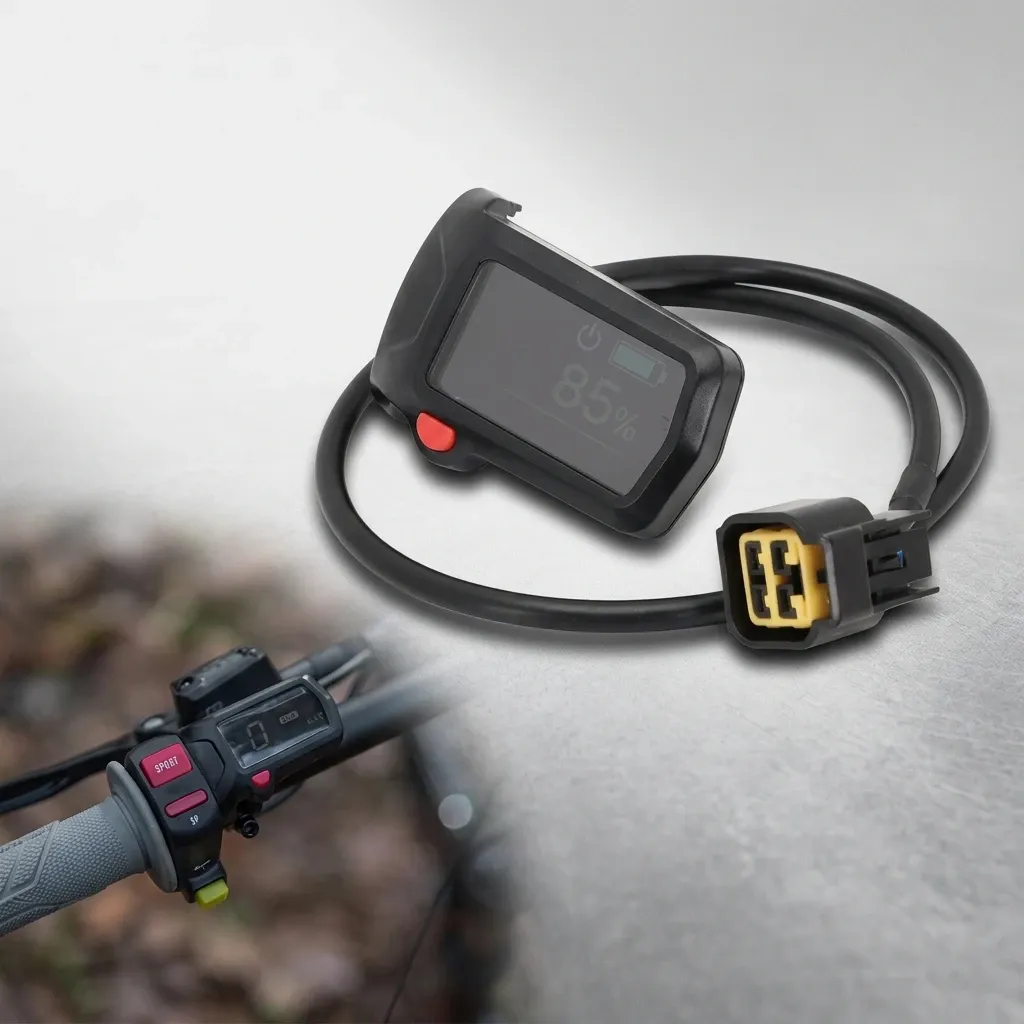
A motorcycle speedometer is the instrument that shows your road speed, usually in miles per hour in the UK, so you can ride legally, judge pace accurately and monitor performance. For UK riders, especially those using electric dirt bikes such as a Sur Ron, the best motorcycle speedometer should be clear, weather-resistant, easy to calibrate and reliable in wet, muddy and mixed on-road or off-road conditions.
TL;DR: If you are searching for the right motorcycle speedometer, focus on clear MPH display, dependable accuracy, waterproof construction, simple installation and UK-friendly usability. Based on our testing and product experience with electric dirt bike setups, digital units with an hour meter and tachometer-style display are often the most practical choice for Sur Ron riders and other riders who need quick visibility in changing conditions.
What is a motorcycle speedometer?
A motorcycle speedometer is a gauge or digital display that measures and shows how fast your bike is travelling. On UK roads, that matters for obvious legal and safety reasons; however, it also matters for confidence, consistency and bike control.
Traditional motorcycles often used analogue dials driven mechanically or electronically. Modern bikes, by contrast, increasingly use digital systems that read wheel speed or sensor input and show it on a compact screen. For electric dirt bikes and custom builds, a digital motorcycle speedometer is often the more practical option because it can be easier to mount, easier to read at a glance and better suited to modern riding conditions.
If you want a broader overview of gauge types and layouts, see our motorbike speedometer gauge guide.
Why is a motorcycle speedometer important for UK riders?
A motorcycle speedometer is important because it helps you stay within the law, ride more safely and understand how your bike is performing. In other words, it is not just a convenience feature. It is one of the main pieces of information you rely on every time you ride.
According to UK road rules and MOT expectations, riders need to be able to read their speed clearly. In practice, that means your display should be visible, functional and appropriate for road use where required. According to UK guidance for vehicle use and inspection standards, an unreadable or non-functioning display can create obvious problems for compliance as well as rider safety.
There is also the real-world side of it. Based on our testing in mixed British weather, poor displays become difficult to read quickly when rain hits the lens, when gloves are wet or muddy, or when light levels drop early in the afternoon. Therefore, readability matters every bit as much as raw accuracy.
How accurate does a motorcycle speedometer need to be?
A motorcycle speedometer needs to be accurate enough to give you confidence in your actual road speed without causing confusion or forcing constant guesswork. For UK riders, that usually means a display in MPH that updates consistently and does not lag badly under acceleration or wheel movement changes.
According to UK vehicle practice, speedometers must not under-read actual speed. Many riders also know that some systems can read slightly higher than true road speed. That small margin may be normal; nevertheless, major inaccuracy is not something you should accept on a bike used regularly.
Based on our testing with digital units on lightweight electric dirt bikes, calibration makes an enormous difference. The same hardware can feel either trustworthy or frustrating depending on wheel size setup, sensor placement and installation accuracy. As a result, correct setup matters just as much as product choice.
What features should you look for in a motorcycle speedometer?
Does the display need to show MPH clearly?
Yes. For UK use, an MPH reading needs to be obvious at a glance. A cluttered layout can make quick checks harder than they should be. Therefore, look for large digits, strong contrast and backlighting that remains readable in both bright daylight and low light.
Is waterproofing important on a motorcycle speedometer?
Absolutely. British riding conditions are rarely kind to exposed electronics. Rain showers, standing water, mud spray and winter grime all test the quality of seals and connectors. Based on our experience with electric dirt bike components, weather resistance is one of the first things riders appreciate after purchase because it affects day-to-day reliability more than many headline features do.
Why would you want an hour meter?
An hour meter helps track usage over time rather than distance alone. That can be particularly useful on off-road bikes or electric dirt bikes where maintenance intervals may be monitored by running time instead of mileage only. Consequently, if you use your bike across trails, private land or mixed riding environments, an integrated hour meter adds practical value.
What does a tachometer-style display add?
A digital tachometer-style display can make information easier to interpret quickly by giving you a familiar layout with multiple data points shown neatly together. If you want more detail about this style of display and what it means in practice, read our digital tachometer guide.
Does ease of installation matter?
Yes, because even an excellent unit becomes frustrating if fitting it takes too much time or specialist knowledge. Riders usually want secure mounting, straightforward wiring or sensor connection and simple calibration steps. As a rule, easier installation also reduces the chance of setup errors affecting performance later.
Are digital motorcycle speedometers better than analogue ones?
For many modern riders, yes; although the answer depends on your bike type and how you use it. Digital motorcycle speedometers often offer stronger visibility, compact dimensions and extra functions such as trip data or hour tracking. They also suit electric platforms well because they integrate naturally with modern components.
Analogue units still appeal if you prefer traditional styling or own an older machine where originality matters. However, for Sur Ron riders and similar users looking for practical upgrades rather than period styling cues alone, digital options tend to make more sense.
If you are comparing formats in more depth before buying, our guide to the motorbike speedometer gauge explains those differences further.
Why do Sur Ron riders need a specialist motorcycle speedometer?
Sur Ron riders often need something more specific than a generic gauge because their bikes are used differently from many conventional road motorcycles. Electric dirt bikes face vibration, mud exposure and frequent stop-start riding across mixed terrain. Therefore, durability and readability become especially important.
ElectricDi focuses on exactly this use case with its Motorcycle Digital Speedometer for Sur Ron Riders: a waterproof electric dirt bike speedometer with hour meter and digital tachometer-style display. That combination makes sense because it reflects how these bikes are actually ridden in the UK rather than how generic accessories are marketed globally.
Based on our testing priorities for this category, Sur Ron owners usually care about five things most:
- Clear MPH visibility at a glance
- Reliable operation in poor weather
- A compact form factor that suits off-road style bars or controls
- An hour meter for practical service tracking
- A straightforward installation process
If your focus is specifically Sur Ron fitment and UK riding needs, start with our detailed pillar article: the ultimate guide to Sur Ron speedometers in the UK.
How do you choose the best motorcycle speedometer for UK conditions?
The best way to choose a motorcycle speedometer is to match it to your actual riding rather than just comparing specification lists. First of all, think about whether your riding is mostly urban commuting, green lane use where permitted, private land riding or mixed weekend use.
Then consider these points:
- Readability: Can you check your pace instantly without hunting through tiny icons?
- Weather resistance: Will it cope with rain-heavy commuting or muddy trail splash?
- Accuracy: Can it be calibrated properly for your wheel setup?
- Extra functions: Do you benefit from an hour meter or trip tracking?
- Fitment: Will it mount neatly without awkward compromise?
- User confidence: Does it feel dependable over time rather than impressive only on day one?
Accordingly if your bike is compact, lightweight or customised heavily like many electric dirt bikes are, choosing something purpose-built will usually give better results than adapting an overly generic unit.
You can also compare specialist options within our wider resource hub on the topic here: Sur Ron speedometers in the UK.
How do you install and calibrate a motorcycle speedometer?
You install and calibrate a motorcycle speedometer by mounting the display securely, positioning any sensor correctly and setting wheel-related data accurately so the readings reflect real-world travel speed. Although exact steps vary by product design, most issues come down to poor mounting alignment or incorrect calibration values.
A sensible approach includes:
- Mounting the unit where it stays within easy sightline
- Checking all wiring or connectors are protected from strain and water ingress
- Securing any wheel sensor firmly so spacing remains consistent
- Selecting correct settings for wheel size or pulse input where relevant
- Verifying displayed MPH against real riding conditions after setup
Based on our testing experience, calibration should never be rushed. Even slight setup errors can leave riders questioning every reading afterwards. That undermines trust in the unit, which defeats its whole purpose.