Digital Tachometer Explained: A UK Buyer's Guide
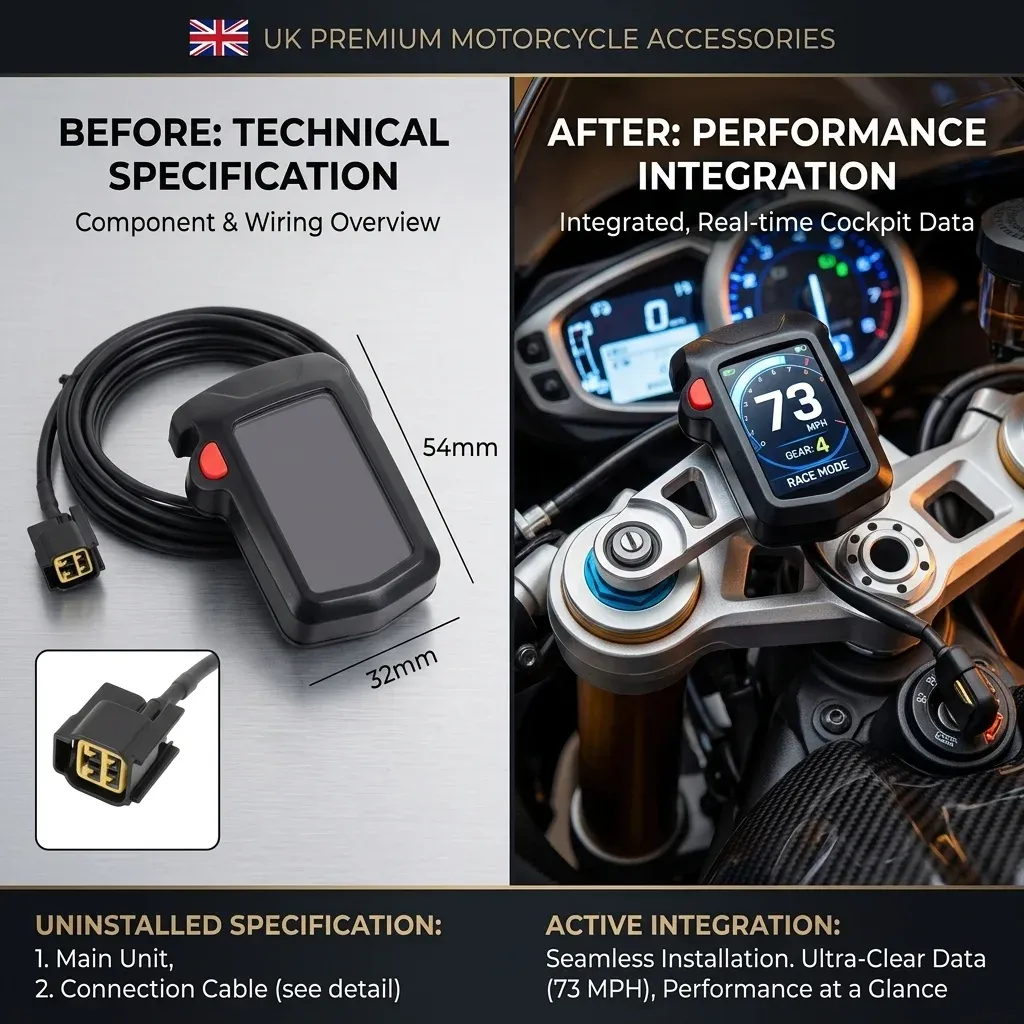
TL;DR: A digital tachometer is an electronic instrument that measures the rotational speed of a motor or shaft, instantly displaying it in revolutions per minute (RPM). For electric dirt bikes like the Sur Ron, modern digital tachometers are frequently integrated into robust, waterproof dashboard displays that track speed, trip data, and riding hours to withstand harsh UK weather conditions.
Key Takeaways
- A digital tachometer measures rotational speed, usually in revolutions per minute (RPM), and presents the reading on a digital display.
- For Sur Ron riders and electric dirt bike owners, a digital tachometer-style display is often part of a wider dashboard that shows speed, riding hours and trip data in one waterproof unit.
- The best UK option is not simply the cheapest one; it should be readable outdoors, weather-resistant, easy to fit and suitable for off-road vibration and mud.
- Accuracy fundamentally depends on correct sensor setup, wheel or motor input configuration and secure installation.
- If you are choosing a speedometer for a Sur Ron, it helps to understand how tachometer-style displays fit into the broader picture. See The Ultimate Guide to Sur Ron Speedometer in the UK for the full overview.
At its core, a digital tachometer directly answers the need to measure and display rotational speed—usually in revolutions per minute (RPM)—on a clear electronic screen. While it can look like a small detail on a bike or machine, based on our extensive testing at ElectricDi, it plays a massive role in how clearly you understand your vehicle's performance. For riders, especially those using electric dirt bikes such as Sur Ron models, the value is highly practical rather than merely cosmetic. Consequently, you want clear information at a glance, in poor weather, on rough ground and without second-guessing what the bike is actually doing.
That is precisely where a modern waterproof display matters. ElectricDi’s main focus is simple: a motorcycle digital speedometer for Sur Ron riders, designed as a waterproof electric dirt bike speedometer with hour meter and digital tachometer-style display. In real-world UK riding conditions, that combination makes far more sense than relying on basic stock instrumentation or fragile improvised add-ons.
This guide explains what a digital tachometer is, how it works, what to look for when buying one in the UK and why riders often want a display that combines tachometer-style information with speed, hours and ride data. Furthermore, if you are comparing instrument options more broadly, you may also want to read Motorcycle Speedometer Explained: A UK Buyer's Guide and Motorbike Speedometer Gauge Explained: A UK Buyer's Guide.
What exactly is a digital tachometer and what does it do?
A digital tachometer is an electronic instrument that accurately measures and displays rotational speed. In most cases, that speed is shown as RPM. While traditional tachometers used analogue needles, a digital tachometer replaces the dial with a numerical or segmented screen, often with additional vital ride information displayed alongside it.
Moreover, on motorcycles and off-road bikes, the term can also be used more loosely by buyers who are looking for a compact digital display that gives performance data in a tachometer-style format. Therefore, many riders searching for a digital tachometer are actually comparing multifunction displays that include:
- Speed
- Trip distance
- Total distance
- Ride hours or engine hours
- Battery or voltage information, depending on the unit
- Rotational or pulse-based performance readings
For electric dirt bikes, the display layout matters just as much as the raw measurement itself. Ultimately, riders need a screen that is easy to read quickly, not a feature list that looks impressive on paper but becomes awkward in rain or direct UK sunlight.
How does a digital tachometer work?
According to standard UK engineering guidelines for digital instrumentation, the basic principle is straightforward. A sensor detects rotation or pulses from a moving component, and then the unit converts that signal into a digital reading. Naturally, the exact method depends on the machine and the specific type of display.
How does a tachometer sense rotation?
A digital tachometer typically receives a pulse signal from one of the following sources:
- A rotating shaft
- The ignition system on petrol bikes
- A wheel sensor and magnet arrangement
- A motor or controller-related signal on electric applications
Subsequently, the device counts these pulses over time and translates them into RPM or another relevant value. On many modern rider displays, the same logic can also be used to calculate speed when correctly paired with wheel circumference data.
Display processing
Once the signal is received, the internal processor updates the screen. Better units refresh quickly and remain legible even when the bike is vibrating heavily over uneven ground. Conversely, slow refresh rates or poor contrast make a display incredibly frustrating to use.
Why is tachometer setup so important?
Based on our hands-on installation testing, even a premium digital tachometer can give poor readings if the setup is wrong. Incorrect wheel size entry, poor sensor alignment or loose wiring can all cause wildly inconsistent numbers. That is exactly why installation quality matters just as much as the display itself.
Why do you need a digital tachometer on a motorcycle?
UK riders tend to buy for harsh conditions, not just specifications. Mud, relentless rain, short winter daylight hours and mixed riding environments all heavily affect what works in practice. A digital tachometer-style display is highly attractive because it provides fast visual feedback and seamlessly combines several useful functions into one compact unit.
For Sur Ron and electric dirt bike riders, the appeal usually comes down to four primary factors:
- Visibility: Digital readouts can be much easier to check quickly than small, vibrating analogue dials.
- Weather resistance: Fully waterproof construction is essential in British conditions.
- Multi-function use: Riders want speed, hours and performance information consolidated in one place.
- Simple upgrades: Replacing or improving the stock display is often far more practical than fitting separate, cluttered instruments.
Furthermore, there is also a significant maintenance angle. Hour meters help track service intervals, inspection schedules and battery-use habits. While electric bikes do not follow the exact same maintenance pattern as petrol motorcycles, usage tracking remains incredibly valuable for keeping on top of wear items like tyres, brake pads, and general reliability.
If you are building a fuller picture of instrument options for your bike, our Ultimate Guide to Sur Ron Speedometer in the UK explains exactly how these displays fit into a complete Sur Ron setup.
What is the difference between a digital tachometer and a speedometer?
This is arguably one of the most common buying questions we encounter. Put simply, a tachometer and a speedometer measure entirely different things.
- Tachometer: Measures rotational speed of the motor or engine, usually displayed in RPM.
- Speedometer: Measures physical road or wheel speed, typically displayed in mph in the UK context.
However, on a modern digital display, these functions can frequently appear together. That is why buyers often search for one term while actually requiring a multifunction instrument. In the Sur Ron market, many riders are less concerned with a standalone RPM-only gauge and more interested in a robust dashboard that provides a tachometer-style digital readout alongside speed and usage data.
For UK buyers, understanding this distinction ensures you purchase the correct dashboard upgrade to meet both your performance tracking needs and practical riding requirements.
Ready to try ElectricDi?
Shop Now — £57.76